

 manfred schaefer
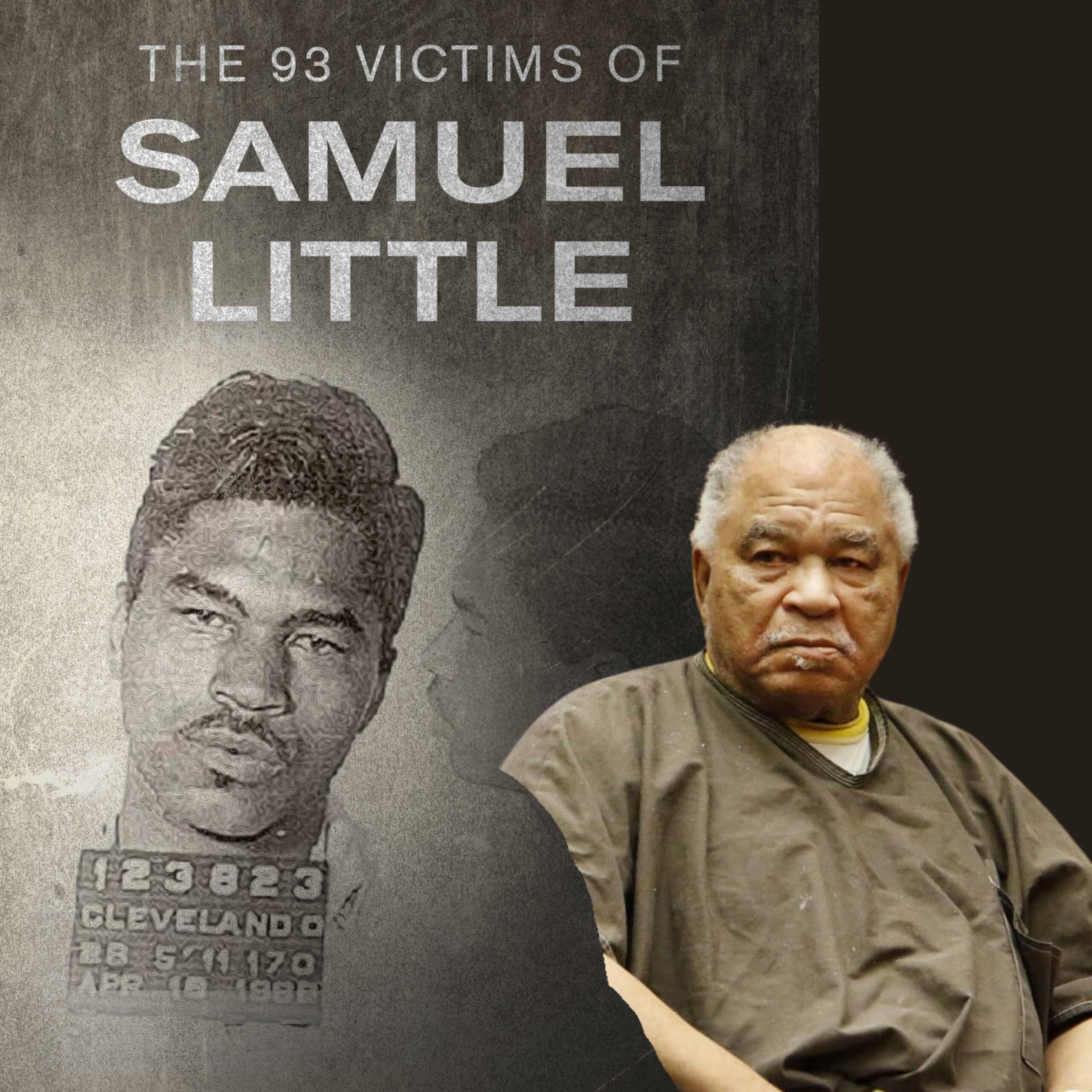
 Samuel Little: America’s Most Prolific Serial Killer
The Life and Crimes of Samuel Little: Understanding america’s Most Prolific Serial Killer
The story of Samuel Little is one that chills to the core. Little, often deemed America’s most prolific serial killer, was a man with a troubled past that laid the groundwork for his heinous acts. Understanding the life and crimes of this notorious figure grants insights into a deeply disturbed mind and the circumstances that led to unimaginable horror.
Samuel Little was born on June 7, 1940, in Reynolds, Georgia. His early years hinted at early signs of trouble. He grew up in a largely unstable environment, marked by poverty and neglect. Little’s mother, a single parent, often left him to fend for himself. This lack of parental guidance likely played a role in shaping him into the person he eventually became.
From a young age, Little exhibited criminal behavior. He was arrested multiple times during his youth for offenses ranging from shoplifting to assault. As he grew older, these minor offenses escalated, and he found himself in trouble with the law frequently. Little’s criminal record spanned years, yet the justice system failed to fully comprehend the danger he posed.
Little was a chameleon in society, often changing identities and locations to evade capture. His victims primarily included marginalized women, many of whom struggled with addiction or were involved in sex work. This made them more vulnerable and less likely to be reported missing, allowing Little to evade detection for decades.
- Active Years: Little’s murderous spree began in the 1970s and continued until his arrest in 2012.
- Method of Operation: He used his charm to gain the trust of his victims before overpowering them. His method was often brutal, with strangulation being his weapon of choice.
- Victim Count: Little confessed to killing 93 people, making him the deadliest serial killer in American history, according to the FBI.
- Arrest and Conviction: He was finally apprehended in 2012 for a drug-related charge, and DNA evidence linked him to three murders in Los Angeles. In 2014, he was convicted and sentenced to life without parole.
After his conviction, Little began to confess to a staggering number of murders across the United States. Many of these confessions were chillingly detailed, revealing not only the locations and circumstances of the killings but also the intimate knowledge of his victims. He remembered their faces and stories, showcasing a disturbing level of recollection for his grotesque acts.
Law enforcement agencies across the country began to take interest in his confessions, recognizing the patterns of his deadly crime spree. The FBI launched efforts to match his claims with unsolved cases, leading to a significant surge in the identification of his victims. This process has brought closure to many families who had long been waiting for answers regarding the disappearance of their loved ones.
One remarkable aspect of Little’s life was his intricate sketches. He often drew detailed images of his victims, which became crucial in identifying the deceased. Little’s art was more than just a pastime; it was a grim method of immortalizing the lives he extinguished.
While Samuel Little is now behind bars, discussions about his crimes provoke much thought about societal failures. The lack of attention to the plight of vulnerable populations, such as women in prostitution and those battling addiction, raises serious questions about how society views and protects its most at-risk members. Additionally, the challenge of tracking and solving cases involving marginalized individuals is a pressing issue that law enforcement continues to grapple with.
The remarkable narrative of Samuel Little is one that serves as a haunting reminder of how evil can go unnoticed for far too long. His life and crimes demand a critical reflection on criminal justice, societal responsibility, and the importance of addressing the root causes of violence. Understanding his story may help society create better tools for identifying and protecting potential victims, and ultimately, preventing tragedies like those caused by this infamous serial killer.
The Psychological Profile of Samuel Little: What Makes a Serial Killer?
Samuel Little, known as America’s most prolific serial killer, has a chilling legacy that continues to captivate and horrify the public. With a confirmed count of 93 murders, he illustrates the darker aspects of human behavior. Understanding the psychological profile of someone like Little can provide insight into the mind of a serial killer and shed light on what drives such horrific actions.
At the core of serial killing behaviors often lies a complex interplay of various psychological factors. For Samuel Little, early childhood experiences played a significant role. He experienced a troubled upbringing marked by instability, including being raised in a difficult environment. This foundation can lead to emotional detachment, making it easier for individuals to commit heinous acts without empathy.
Many serial killers, including Little, exhibit antisocial personality traits. This classification describes individuals who show a lack of regard for the rights of others. They might be charming and manipulative, making it easier for them to gain the trust of their victims. Samuel Little’s ability to blend into various communities and establish rapport with potential victims was a critical factor in his killing spree. By presenting as a harmless individual, he could lure unsuspecting targets.
Among the psychological traits frequently found in serial killers is a profound sense of power and control. Little’s murders seem to indicate that he derived a significant degree of pleasure from overpowering others. The act of killing may have provided him an avenue to assert dominance over life and death. This can be linked to deeper issues of inadequacy experienced during his formative years, where a need for control became magnified through violent acts.
Serial killers often display specific behavioral patterns that position them as distinct from the general population. Here are some prevalent characteristics seen in individuals like Little:
- Impulsivity: Many serial killers act on whims rather than careful planning, leading to impulsive decisions that can escalate into violence.
- Low empathy: The capacity to understand and share the feelings of others is often diminished, making it easier to inflict harm.
- Need for thrill: The adrenaline rush linked to their actions sometimes serves as a driving force behind their repeated offenses.
- Fantasy-driven behaviors: Many serial killers engage in vivid daydreams that often facilitate their criminal behaviors, making the transition to reality easier.
- Isolation: They tend to isolate themselves socially, leading to a lack of connections that foster empathy and remorse.
Understanding Samuel Little’s psychological framework also means examining the role of trauma in his life. Many serial killers are themselves victims of abuse or neglect. This history often leaves psychological scars that manifest in violent tendencies. Little’s own claims about his past suggest a tumultuous life, filled with brushes with the law, homelessness, and victimization. This cyclical nature of violence can perpetuate future aggressive behaviors.
Furthermore, the fantasies surrounding power, control, and violence can become a driving force for serial killers. For Samuel Little, the thrill he experienced during his killings often stemmed from the feeling of domination over his victims. These elements may be fueled by deep-seated issues related to identity, self-worth, or personal history, creating a lethal cocktail that leads to extreme criminal behavior.
The lack of remorse shown by Little is another crucial factor that categorizes him within the realm of serial killers. This emotional detachment allows him to commit atrocities without facing the moral consequences. His confessions reveal a disturbing indifference to his victims’ lives, viewing them merely as objects to fulfill his violent urges. This stark compartmentalization of emotions is a common thread among many serial offenders.
In analyzing the psychological makeup of Samuel Little, it becomes evident that a myriad of factors contribute to the development of a serial killer. His childhood trauma, emotional detachment, and a thirst for power and control all intertwine to create a dangerous individual. By unraveling these psychological layers, one can gain a deeper understanding of not just Samuel Little, but the broader phenomenon of serial killers in society.
The Impact of Samuel Little’s Crimes on Victims’ Families and Communities
The chilling reality of Samuel Little’s crimes leaves a haunting legacy affecting many lives beyond his immediate victims. As America’s most prolific serial killer, Little confessed to murdering 93 individuals over several decades. This staggering number not only illustrates the severity of his actions but also highlights the profound impact those crimes have had on victims’ families and the broader communities where these tragedies unfolded.
When someone loses a loved one to violence, the grief can feel insurmountable. Families of victims murdered by Samuel Little endure endless heartache, as they never get a chance to say goodbye. The absence of a loved one can disrupt family dynamics and alter relationships, leading to a range of emotional consequences. Families often suffer from:
- Intense Grief: The loss of a family member can lead to feelings of anger, despair, and confusion that persist for years.
- Stigmatization: Families may face judgment from the community, feeling isolated or ostracized due to the violent nature of the death.
- Financial Hardship: Funeral costs and loss of income can strain families already coping with emotional trauma.
- Psychological Effects: Survivors may struggle with anxiety, depression, and PTSD as a result of the violence experienced by their loved ones.
The impact ripples throughout entire communities. In places where Samuel Little operated, residents live with a heightened sense of fear and vulnerability. Neighborhoods affected by violent crimes can experience:
- Increased Anxiety: The knowledge that a serial murderer was active in their area creates an ongoing sense of danger and uncertainty.
- Distrust Among Neighbors: Violent crime can erode the sense of community, making people reluctant to engage with one another.
- Economic Decline: Areas notorious for crime often see reduced property values and a decline in local businesses.
- Strain on Law Enforcement: The pursuit of a serial killer diverts resources, putting pressure on already stretched law enforcement agencies.
Each death linked to Samuel Little was not just a statistic; it represented a life filled with potential and a family shattered in its wake. The absence of investigative closure can prolong suffering for families, as many of Little’s victims were individuals living on society’s fringes. The humanity of these victims is often overlooked, leading to a devaluation of their stories in the public narrative.
Support networks and outreach programs play a critical role in helping families cope with their loss. Therapists, support groups, and local organizations work to foster healing by offering spaces for expressions of grief. Families can find solace in connecting with others who share similar experiences, helping them navigate the complex emotions tied to their loss.
Communities have taken steps toward healing as well. Activism related to crime prevention and victim advocacy has emerged in response to the devastation left by serial killings. Memorial events honoring victims serve as a way to keep their memories alive and create visibility around the importance of addressing violence in society.
Efforts to raise awareness of serial crimes and victims’ rights help educate the next generation on the value of empathy and understanding. As communities come together to address the pain inflicted by men like Samuel Little, collective healing becomes a possibility, promoting resilience and a deeper understanding of the human experience.
It’s vital to remember that the lives lost to violence, especially those of Little’s victims, are a part of the larger conversation about safety, justice, and remembrance. Families impacted by such tragedies deserve the opportunity to share their stories and advocate for change. By focusing on the lasting effects of Samuel Little’s crimes, we can honor these individuals and work towards preventing further violence.
In closing, understanding the impact of Samuel Little’s crimes on victims’ families and communities is essential for fostering compassion and change. We must strive to shed light on these tragedies, support those affected, and ultimately work to create a safer, more caring society.
Law Enforcement and the Hunt for Serial Killers: Lessons from the Samuel Little Case
Samuel Little remains infamous as America’s most prolific serial killer, with a chilling confession of 93 murders. His case reveals significant lessons for law enforcement in tracking and apprehending serial killers. Understanding these lessons can empower investigators and enhance public safety.
Detailed Victimology and Profiling
One of the key strategies in the hunt for serial killers like Samuel Little is thorough victimology. Little primarily targeted vulnerable individuals, often those struggling with addiction or living on the fringes of society. By analyzing profiles of his victims, law enforcement can identify patterns and potential risk factors. This information helps in developing effective targeted strategies for prevention and investigation.
Interagency Collaboration
Samuel Little’s crimes spanned multiple states, demonstrating the importance of cooperation among law enforcement agencies. The lack of unified databases and communication can allow serial killers to exploit jurisdictional gaps. By fostering interagency collaboration, investigators can share vital information, establish connections between cases, and develop comprehensive profiles of suspected criminals.
Key Steps for Effective Collaboration:
- Information Sharing: Establish regular meetings between various law enforcement agencies to discuss ongoing cases and share critical data.
- Joint Task Forces: Create specialized units that focus specifically on serial crimes, merging expertise from multiple departments.
- Utilizing Technology: Implement advanced software to track crime patterns and help connect dots across jurisdictions.
Modern Forensic Techniques
Advancements in forensic science played a crucial role in the investigation of Samuel Little. DNA evidence, in particular, has become an essential tool in solving cold cases and linking them to suspects. However, Little’s case also highlighted the need to improve the utilization of forensic evidence at crime scenes. Law enforcement should emphasize:
Importance of Forensic Evidence:
- Crime Scene Preservation: Ensuring that the crime scene is preserved to collect as much evidence as possible.
- DNA Collection: Developing protocols for DNA collection and analysis, which can lead to important links in investigations.
- Cold Case Reviews: Regularly revisiting cold cases with fresh forensic insights to identify overlooked leads.
The Role of Technology
Technology has transformed how law enforcement tackles serial killings. Tools such as Geographic Information Systems (GIS) can help map out crime locations, revealing patterns that might go unnoticed otherwise. Samuel Little’s case was a reminder of the ongoing need for technology in connecting seemingly unrelated cases across vast areas. Using data analysis and visualization techniques makes it easier for investigators to spot trends and patterns in criminal behavior.
Community Awareness and Involvement
Another essential lesson from the Samuel Little case is the involvement of community members in law enforcement efforts. Public vigilance can be an asset in preventing crimes. Communities can be encouraged to report suspicious activities without fear, enabling law enforcement to act quickly and efficiently. Schools, local organizations, and social services can play a role in educating the public about serial killer characteristics and warning signs.
Education and Training for Law Enforcement
Continuous education and training can equip law enforcement with the knowledge necessary to identify and investigate serial killings effectively. Insights from the Samuel Little case emphasize the need for training on issues such as victimology, behavioral analysis, and the psychological profiles of serial killers. Workshops, seminars, and training sessions can help improve the skills of detectives and officers, allowing them to approach investigations with a more informed perspective.
The consequences of Samuel Little’s actions have left a lasting impact on law enforcement strategies. By focusing on detailed victimology, fostering collaboration, embracing new forensic technologies, enhancing community involvement, and prioritizing ongoing education, law enforcement can better prepare to face the continuing threat of serial killers. This multifaceted approach not only aims to solve past cases but also seeks to prevent future tragedies, ensuring safer communities for all.
Media Representation of Serial Killers: How Samuel Little Shaped Public Perception
The chilling story of Samuel Little, known as America’s most prolific serial killer, has captivated and horrified the public. His actions and the media’s portrayal of him significantly shaped the perception of serial killers and crime in America. Little claimed to have murdered 93 people, and while not all cases are confirmed, his reign of terror left a lasting impact on society. Through various press outlets, documentaries, and true-crime shows, the media has played a critical role in shaping the public’s understanding of serial murderers and the psychological aspects that accompany such violent behavior.
Samuel Little’s life was extensively covered in news articles, heightening his notoriety. Media platforms painted vivid pictures of his life of crime, from his early years as a petty criminal to his transformation into a serial killer. This coverage created a public image that was both alarming and fascinating. While the reports highlighted his life, the media often sensationalized his story, leading to a blend of fear and intrigue among the audience.
One essential component of Little’s media representation focuses on his psychological profile. Portrayed as a cunning and manipulative figure, the media often drew parallels between Little and other infamous serial killers. Many articles examined the psychological makeup of serial killers, raising public interest in understanding why they commit such heinous acts. This analysis of his mindset contributed to a broader conversation about mental health, violence, and the factors that can lead to someone becoming a killer.
Media representations of Samuel Little also reveled in the dramatic aspects of his story. Documentaries and crime shows often adopted a narrative style that emphasized the mystery surrounding his crimes. Believed to be meticulously calculated, the selection of Little’s victims—predominantly marginalized women—sparked discussions about societal issues like racism, sexism, and the importance of victim advocacy. This focus on Little’s victims highlighted a need for broader societal changes, including better protection for vulnerable populations, and ultimately shifted the blame from the victims to the societal structures that allowed such acts to occur.
- Victim Representation: The media often put a spotlight on Little’s victims, helping to humanize them beyond their tragic ends. This approach was vital in raising awareness of the societal neglect experienced by marginalized communities.
- Myth vs. Reality: The sensational nature of Little’s representation led to misunderstandings about the characteristics of serial killers, influencing both popular culture and public opinion.
- Public Fascination: The gruesome details of his crimes fed into a broader cultural fascination with true crime stories, leading to an increase in interest in serial killers.
Looking at crime dramas or documentary series that focus on Little, it’s evident that many employ an engaging narrative style. This method pulls viewers in, leading them to become engrossed in the mystery surrounding serial killers. However, while these portrayals can be entertaining, they often falter in providing a critical examination of the real-world consequences of violence. By focusing heavily on the perpetrator, they risk overshadowing the individual scenes of pain experienced by the victims and their families. As a society, there’s a need for balanced storytelling that prioritizes the victims’ narratives alongside those of the offenders.
The media portrayal of Samuel Little also sparked discussions on issues such as criminal justice, law enforcement, and accountability. Reporters frequently questioned how someone could evade capture for such an extended period, exposing flaws in law enforcement procedures that allowed serious crimes to go unnoticed for years. This scrutiny not only shaped public perception of Little but also prompted vital conversations about systemic issues within crime prevention and investigation processes.
Social media further amplified Samuel Little’s representation. As the story unfolded, various platforms became hotbeds for discussion and debate. These digital conversations often led to a further spread of myths and sometimes glamorized accounts of his crimes. As people engaged with the content, they shared their thoughts and feelings, thereby influencing public perception and awareness of serial killers in general.
In the wake of Samuel Little’s confessions, the media’s duty is to balance engagement with sensitivity. While it is essential to uncover the grim realities of such heinous acts, it is equally necessary to emphasize the victims’ lives and the systemic changes required to prevent similar tragedies in the future. Ultimately, the representation of such characters in the media significantly impacts not only public perception but also societal actions and discussions regarding crime, victim advocacy, and mental health.
Conclusion
The story of Samuel Little serves as a chilling reminder of the darkness that can lurk within humanity. His life and crimes raise important questions about what drives individuals to commit horrific acts. By examining his psychological profile, we gain insights into the complexity of serial killers and the factors that may influence their behavior. Understanding these elements is essential for law enforcement agencies striving to identify and apprehend such criminals before they leave a trail of devastation.
The impact of Little’s crimes extended far beyond his actions; it rippled through the lives of victims’ families and communities. Each murder represented not just a statistical data point, but a heart-wrenching loss that left countless individuals grieving. This emphasizes the necessity for society to empathize with the victims and their families, recognizing their stories as an integral part of the narrative surrounding any criminal case.
Moreover, the media’s portrayal of Samuel Little has undeniably shaped public perception of serial killers. While sensationalism can raise awareness, it also risks desensitizing audiences to the real-life consequences of such violence. As we reflect on Little’s heinous legacy, it becomes clear that our understanding of crime should prioritize the victims.
Through these lessons, we can advocate for systemic changes in how we approach serial killings, emphasizing prevention, support for families, and more effective law enforcement strategies. Only by addressing these critical issues can we hope to mitigate the horrors inflicted by individuals like Samuel Little in the future.


0 Comment